How Spain's torrential rainstorms put sewage into its rivers and seas

After heavy rain, Spanish cities often awaken to refreshed air and clean streets, while the rainwater itself vanishes into storm drains along with everything it swept away. Underground, however, a very different story unfolds.
Once rainwater enters the sewer network, it mixes with domestic wastewater: everything that goes down shower, kitchen and bathroom drains and toilets. This water carries fecal matter and bacteria, along with toilet paper, cleaning products and many other things.
If everything works as it should, this water flows through sewer pipes into treatment plants. The wastewater leaves these plants much cleaner than it came in and is discharged into rivers and seas.
But in the words of Valencian singer Raimon : "In my land, the rain doesn't know how to rain. It rains too much, or too little. If it rains too little: drought. If it rains too much: catastrophe."
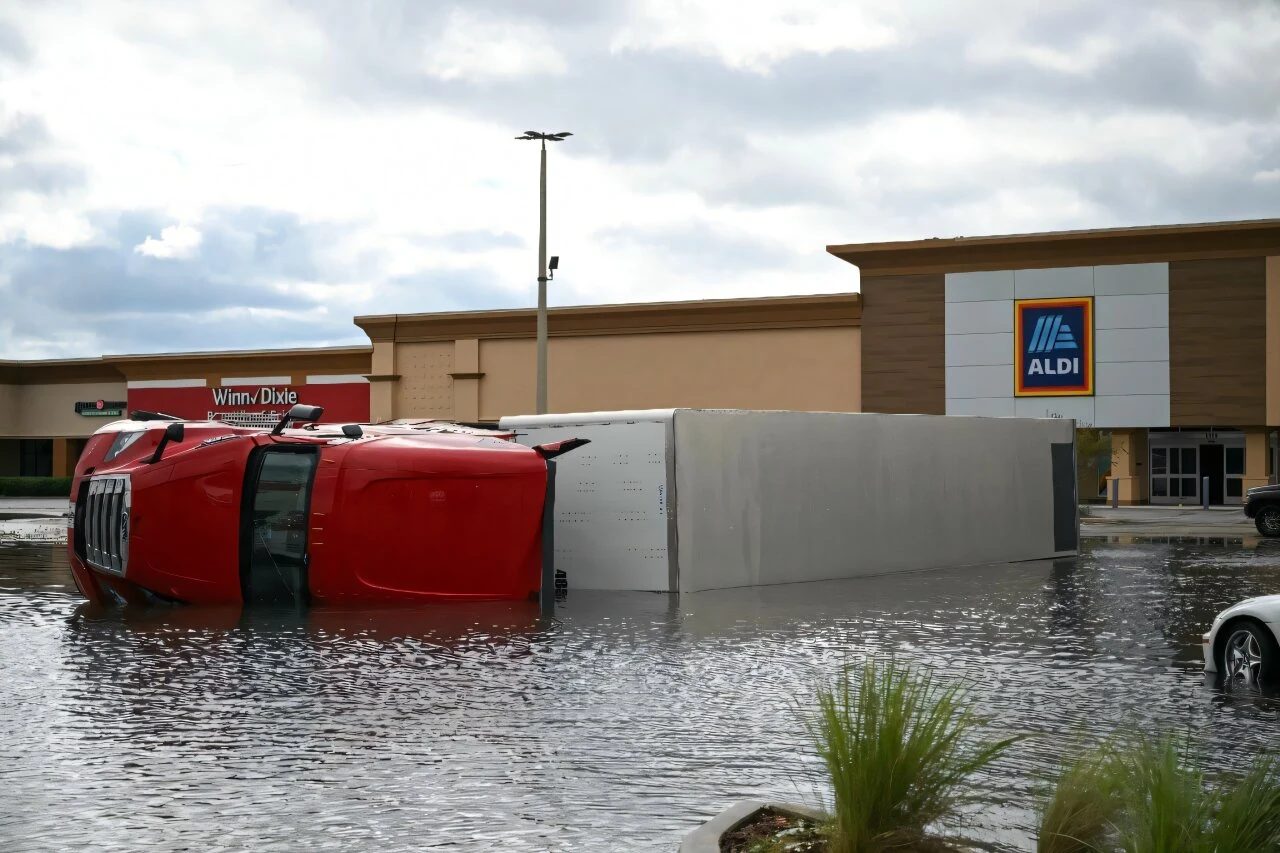
He has been proven right several times in recent years, from Barcelona's Nova Icària beach to the Valencian coast after the devastating floods of October 2024. While the Valencia floods were exceptionally powerful and deadly, extreme rainfall is becoming increasingly common in Spain.
Overloaded treatment plants
Wastewater treatment plants are designed to handle the flow rate of a certain number of residents. They cannot handle much higher loads without a risk of overflow or the treatment system ceasing to function properly. To prevent them from becoming overwhelmed, sewer networks have relief points, known as outfalls, located in rivers, streams or the sea.
In Barcelona, for example, most outfalls drain into the sea, but some also discharge into the Besòs River, which flows along the city's northern edge.
Rainwater mixed with untreated wastewater is discharged into the environment via these points, carrying away the organic matter, fecal bacteria and waste flushed down the surrounding area's toilets. But it also carries urban pollutants such as heavy metals, oils and fuel from vehicles. As a result, these pollutants end up in streams and the ocean .
Discharges like these do not usually pose a serious threat to public health, but they do degrade water quality and lead to beach closures or restrictions after periods of heavy rain.
'Red flag' beaches
In Spain, the microbiological quality of swimming waters is regulated by law . The waters are classified as excellent, good, satisfactory or poor based on analysis of the presence of E. coli and enterococci bacteria as indicators of fecal contamination.
Although most beaches are in the "excellent" category, after heavy rain many beachgoers are met with a red flag on the sand. This means a temporary ban on swimming until contamination levels return to normal.
Water quality data is publicly available and can be viewed in real time on the National Bathing Water Information System and in the Ministry of Health's annual reports .
However, water quality is not monitored outside the summer swimming season. The system also does not include other pollutants that may have long-term effects on health and ecosystems, such as plastics or chemical compounds.
Preparing cities for heavy rains
Many local authorities have been taking measures for years to reduce discharges and minimize the runoff that carries pollutants from the streets into the sea.
In new housing developments, for instance, it is common practice to install separate sewer systems: one for wastewater and another for rainwater. This measure is effective but difficult to implement in cities with established sewer networks.
Cities such as Barcelona, Seville, Madrid and Alicante have built rainwater retention reservoirs, known as storm tanks , which temporarily store rainwater until treatment plants are able to process it. Barcelona, for example, currently has 11 tanks , which keep around 900 tons of suspended solids from reaching the sea each year.
Another way of dealing with heavy rainfall is through sustainable urban drainage systems . These consist of green infrastructure—floodable gardens, green roofs, permeable paving and infiltration trenches—which reduce the amount of water entering the sewer system during storms. Some of the rainwater then seeps into the ground, where it replenishes aquifers, or can be used for irrigation and street cleaning.
Over the coming years, we will hopefully see a decline in discharges thanks to the new European Directive on Urban Waste Water . The new legislation requires the creation of management plans and the monitoring of discharges to track when they occur and how much is discharged.
It also includes measures to reduce the impact of discharges, such as stormwater retention basins, grates or screens to retain solids, and urban improvements to reduce surface runoff.
For decades, we have tried to drain rainwater away as quickly as possible. Today we know that it is often better to retain it, allow it to filter into the ground and make use of it. Part of the solution to these problems lies in allowing rainwater to behave exactly as it would in nature.